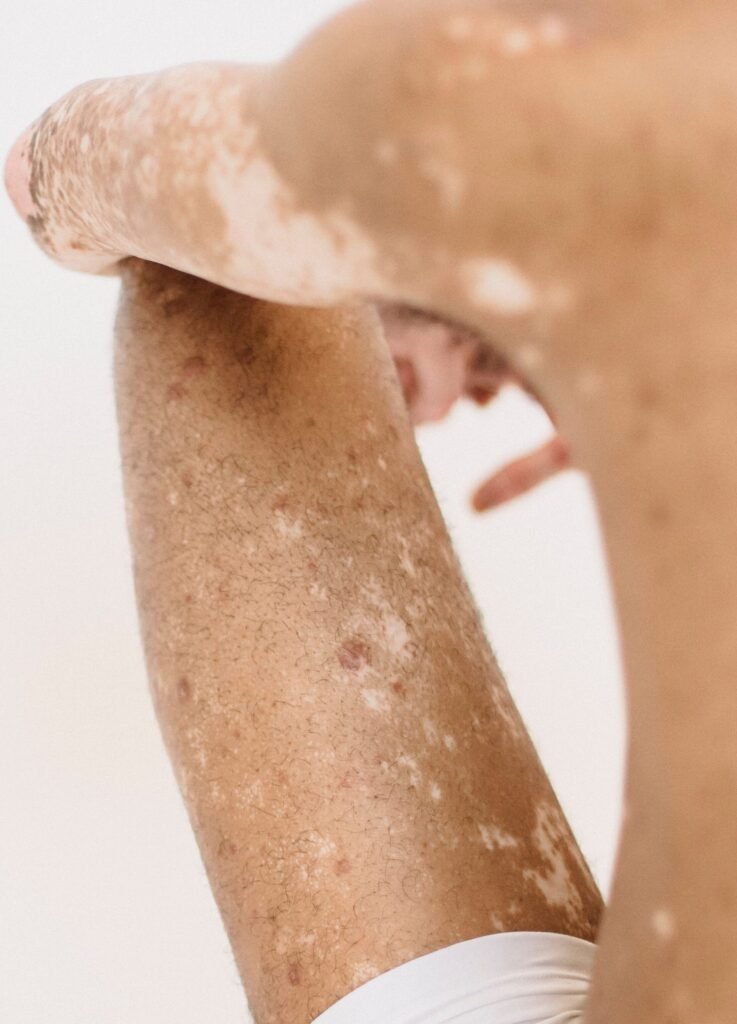

Get to the Root of Uneven Skin Tone
Dark spots and uneven skin tone can be frustrating, especially when you’re not sure what’s causing them or which products are actually worth trying.
At Icky Fix, we break down common causes of discoloration, ingredients worth knowing, and products worth researching — so you can make a more informed decision about your skin
What Are You Dealing With?
Not all dark spots or changes in skin tone are the same. Understanding what you’re seeing can help you choose a more appropriate approach.
Post-Acne Marks
Dark or red-looking marks can remain after a breakout has healed. They may gradually fade, but the process can take time.
Sun-Related Dark Spots
Repeated sun exposure can contribute to areas of increased pigmentation and make uneven tone more noticeable.
Uneven Skin Tone
Some areas of the skin may appear darker or less uniform than others, creating an overall uneven appearance.
Hyperpigmentation
Hyperpigmentation occurs when areas of skin produce more pigment than surrounding skin, creating darker patches or spots.
What Can Contribute to Dark Spots?
Dark spots and uneven tone can develop for several reasons. Understanding the potential contributors can help you make smarter choices about your skincare routine.
Sun Exposure
UV exposure can trigger increased pigment production and may make existing dark spots more noticeable.
Breakouts & Skin Inflammation
A breakout, irritation, or other inflammation can sometimes leave a darker or redder mark behind after the skin heals.
Hormonal Changes
Changes in hormones can contribute to certain types of pigmentation and uneven skin tone.
Skin Irritation
Harsh products, over-exfoliation, or repeated irritation can contribute to inflammation and make discoloration more difficult to manage.
Time & Skin Changes
Pigmentation can change gradually over time. Some dark spots fade on their own, while others may require a more targeted approach.
Key Ingredients to Know
Different ingredients work in different ways. Understanding what an ingredient is intended to do can help you choose products more thoughtfully.
Vitamin C
An antioxidant commonly used in skincare to help brighten the appearance of skin and support a more even-looking tone.
Niacinamide
Often used to support the skin barrier and help improve the appearance of uneven tone and discoloration.
Azelaic Acid
An ingredient commonly used for uneven tone and post-breakout marks, while also being used in products for acne-prone skin.
Retinoids
Vitamin A derivatives that can support skin cell turnover and are commonly used to address uneven tone and the appearance of dark spots over time.
Alpha Hydroxy Acids (AHAs)
Ingredients such as glycolic and lactic acid can help exfoliate the skin’s surface and improve the appearance of uneven texture and tone.
Want to understand these ingredients in more detail?
Explore Key Ingredients
Product Research for Dark Spots & Uneven Tones
Once you understand what’s contributing to uneven tone and which ingredients matter, you can start looking at products that may fit your needs.
We research products by looking at their ingredients, purpose, value, and who they may be best suited for. The goal is to help you understand your options — not overwhelm you with a long list of products.
What We Look For
Ingredients
What’s actually in the product and what are those ingredients intended to do?
Purpose
What type of discoloration or skin concern is the product designed to address?
Value
Does the product offer reasonable value for what you’re getting?
Fit
Who may benefit from the product, and who may want to consider another option?
Don’t Guess. Understand What You’re Buying.
Finding the right approach for dark spots and uneven tone starts with understanding what’s causing the change and which ingredients may help.
Start with the information, explore the ingredients, and then research the products that may fit your needs.
Explore Product Research
Why Do Dark Spots Happen?