
Get to the Root of Dry Skin
Dry skin can leave your skin feeling tight, rough, flaky, or uncomfortable. When products seem to help for a little while and then stop working, it can be frustrating to know what your skin actually needs.
At Icky Fix, we break down common causes of dry skin, ingredients worth knowing, and products worth researching — so you can make a more informed decision about your skin.
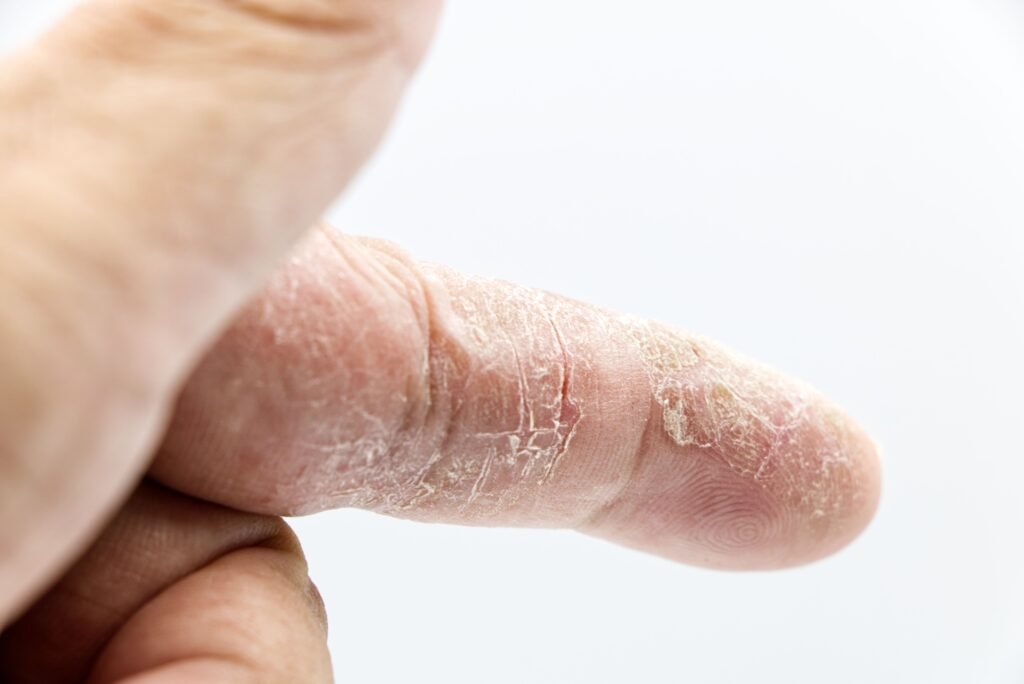
What Are You Dealing With?
Dryness can show up in different ways, and understanding what you’re experiencing can help you choose a more appropriate approach.
Tight or Uncomfortable Skin
Your skin may feel tight, especially after washing or throughout the day.
Flaky or Rough Skin
Dry skin can cause visible flaking, rough patches, or an uneven-feeling texture.
Dehydrated Skin
Skin can sometimes lack water even when it doesn’t feel extremely dry. This may leave the skin looking dull or feeling tight.
Compromised Skin Barrier
When the skin barrier is weakened, skin may lose moisture more easily and become more sensitive, dry, or uncomfortable.
What Can Contribute to Dry Skin?
Dry skin can have several contributing factors. Understanding what’s affecting your skin can help you make better choices about your routine and the products you use.
Weather & Low Humidity
Cold weather, dry air, and low humidity can make it harder for skin to retain moisture.
Hot Water
Long, hot showers or frequent hot-water exposure can remove some of the oils that help keep skin comfortable.
Harsh Cleansers
Some cleansers can be too drying for certain skin types, especially when they remove too much of the skin’s natural oils.
Over-Exfoliation
Exfoliating too often or using products that are too aggressive can leave skin feeling dry, irritated, or uncomfortable.
A Weakened Skin Barrier
When the skin barrier isn’t functioning properly, moisture can escape more easily, which may contribute to dryness and sensitivity.
Age & Skin Changes
Skin can naturally change over time, including changes in oil production and its ability to retain moisture.
Key Ingredients to Know
Different ingredients can support dry skin in different ways. Understanding what an ingredient is intended to do can help you choose products more thoughtfully.
Ceramides
Lipids naturally found in the skin that help support the skin barrier and reduce moisture loss.
Hyaluronic Acid
A humectant commonly used to attract and hold water in the skin, helping it feel more hydrated.
Glycerin
A widely used humectant that helps attract moisture to the skin and support a hydrated feel.
Squalane
An emollient commonly used to soften and smooth the skin while helping support a comfortable, moisturized feel.
Petrolatum
An occlusive ingredient that helps form a protective layer over the skin, reducing moisture loss.
Urea
An ingredient commonly used in moisturizers to help soften and hydrate dry, rough skin.
Want to understand these ingredients in more detail?
Explore Hydration & Dry Skin Ingredients
Product Research for Dry Skin
Once you understand what’s contributing to dry skin and which ingredients matter, you can start looking at products that may fit your needs.
We research products by looking at their ingredients, purpose, value, and who they may be best suited for. The goal is to help you understand your options — not overwhelm you with a long list of products.
What We Look For
Ingredients — What’s actually in the product, and what are those ingredients intended to do?
Purpose — What type of dryness or skin concern is the product designed to address?
Value — Does the product offer reasonable value for what you’re getting?
Fit — Who may benefit from the product, and who may want to consider another option?
Don’t Guess. Understand What You’re Buying.
Finding the right approach to dry skin starts with understanding what’s affecting your skin and which ingredients may help support it.
Start with the information, explore the ingredients, and then research the products that may fit your needs.
Explore Product Research